Call Today!
(770) 676-2550


At the office of Georgia Jaw Surgery, protecting your long-term oral health is our primary goal. While keeping natural teeth is always preferred, there are times when removing a tooth is the most responsible option to prevent pain, infection, or damage to neighboring teeth. Our team approaches every recommendation carefully, balancing conservative treatment with decisive action when necessary.
Deciding on an extraction starts with a thorough clinical evaluation. We consider your overall health, dental history, and the condition of the tooth and surrounding tissues. When a tooth can’t be predictably restored or is placing adjacent structures at risk, extraction can be the safest route to preserve function and comfort.
We recognize that an extraction can raise practical and emotional concerns. We take time to explain why removing a tooth is being recommended, outline the alternatives we considered, and discuss what to expect before, during, and after the procedure so you can make an informed decision.
Primary (baby) teeth that fail to fall out
Sometimes a retained primary tooth does not loosen as the permanent tooth beneath it develops. When the baby tooth’s roots do not resorb or it becomes fused to the bone, it can interfere with eruption patterns and orthodontic development. In those situations, timely extraction helps guide proper growth and prevents future alignment problems.
Permanent teeth with irreversible damage
Extensive decay that has destroyed significant tooth structure or involved the tooth’s nerve can render a tooth non-restorable. If a tooth cannot be predictably saved with restorative or endodontic treatment, extraction is sometimes necessary to remove the source of infection and protect surrounding teeth and gum tissue.
Severe fractures or dental trauma
Teeth that are fractured below the gum line, broken at the root, or otherwise compromised by trauma may not be salvageable. When a tooth’s structural integrity is lost beyond repair, extraction prevents ongoing pain and infection while allowing us to plan for replacement options.
Advanced periodontal disease
Periodontal disease can progressively destroy the bone and soft tissues that support teeth. Once attachment loss reaches a point where a tooth is mobile or no longer supported adequately, extraction is sometimes the best step to halt disease progression and improve oral health.
Impacted or problematic wisdom teeth
Third molars often lack space to erupt properly, which can lead to impaction, decay, or damage to neighboring teeth. Removing poorly positioned wisdom teeth—especially when they threaten surrounding structures or repeatedly cause symptoms—can prevent recurrent problems and preserve oral health.
Teeth extracted to facilitate orthodontic treatment
In some orthodontic cases, removing one or more teeth is part of a planned strategy to correct crowding and create a stable, functional bite. When coordinated with your orthodontist, extractions can simplify tooth movement and help achieve balanced facial and dental aesthetics.

Preparation begins with a detailed medical and dental history review. Certain health conditions, medications, or bleeding disorders can influence the way we manage anesthesia, infection control, and healing. We’ll ask about any chronic conditions and current medications so we can design the safest treatment plan for you.
Imaging is an important part of our preoperative assessment. Digital radiographs help us understand root shape, bone anatomy, and the position of adjacent teeth or anatomical structures. This information guides the level of complexity anticipated and whether a simple or surgical approach is needed.
We tailor the comfort plan to match your needs. Local anesthesia is standard, and for patients with anxiety or complex procedures we offer sedation options to ensure a calm, pain-free experience. Before your appointment we’ll provide clear preoperative instructions so you arrive prepared and confident.
When extraction is likely to be followed by tooth replacement—such as a bridge, denture, or implant—we’ll discuss those options in advance. Coordinating extraction with a replacement plan helps preserve bone and soft tissue and shortens the timeline to restore function and appearance.
On the day of the procedure we’ll ensure you are comfortable and that the treatment area is numb. Extractions fall into two general categories—those that are straightforward and those that require a surgical approach—each performed with precision to protect surrounding tissues.
We use atraumatic techniques to preserve as much bone and gum tissue as possible. Our aim is to remove the tooth while minimizing trauma, which supports faster healing and better outcomes for subsequent restorative work if needed.
During the visit we will also discuss pain control and antibiotics if they are indicated. Every step is explained in plain terms so you understand the rationale and what to expect immediately after the procedure.
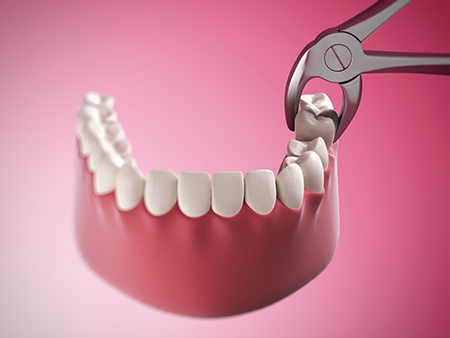
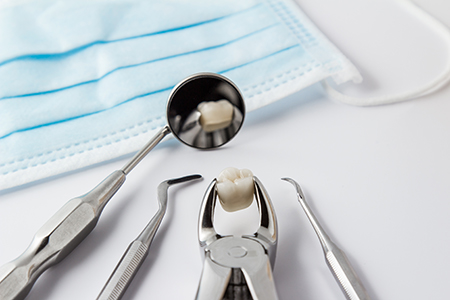
Simple extractions are performed when the entire tooth crown is visible and the root anatomy allows for safe removal without incisions. After the area is numbed with local anesthesia, gentle instruments are used to loosen the tooth and extract it with forceps. This approach is typically quick and well tolerated when appropriately anesthetized.
If you feel nervous, we can combine local anesthesia with inhalation or intravenous sedation to reduce anxiety and improve comfort. We tailor the approach to your medical background and personal preference while prioritizing safety.
Surgical extractions are required for teeth that are broken at the gum line, impacted, ankylosed, or otherwise not accessible with forceps alone. This technique involves a small incision in the gum and, when necessary, selective removal of a bit of bone to expose and extract the tooth. The site is then closed with sutures when appropriate.
More complex cases benefit from the skill of an oral and maxillofacial surgeon, particularly when roots are curved, close to nerves, or when multiple extractions are performed at once. We plan these procedures carefully to reduce risk and support predictable healing.
Healing after an extraction is a process that requires simple, consistent care. Immediately after the procedure you will be given specific instructions tailored to the type of extraction performed. Following these guidelines helps reduce bleeding, control swelling, and lower the risk of complications.
Expect the most discomfort and swelling during the first 48–72 hours; pain is usually manageable with over-the-counter medications or prescription analgesics when necessary. Applying ice in short intervals and resting with your head elevated can help limit swelling during the initial period.
Hydration and nutrition are important—choose soft, nutrient-dense foods while avoiding hot, spicy, or carbonated beverages for the first day or two. Avoid actions that dislodge the healing clot, such as rinsing vigorously, using a straw, or smoking, as these can lead to delayed healing.
We recommend a follow-up visit when indicated, especially after surgical extractions or if sutures were placed. These appointments allow us to confirm that healing is progressing and to address any concerns promptly.
Maintain firm pressure on the extraction site
Bite gently but firmly on the gauze pad provided for the first hour to allow the blood clot to form. Replace gauze as instructed, and contact the office if heavy bleeding continues beyond what we describe in your discharge instructions.
Protect numb tissues until sensation returns
Local anesthesia may persist for several hours. Until feeling returns, avoid chewing and take care not to bite your lips, cheeks, or tongue.
Follow medication directions
Take antibiotics and pain relievers exactly as prescribed. If an antibiotic is provided, complete the entire course. For pain control, begin medication before the anesthetic wears off if advised, and follow dosing instructions carefully.
Protect the developing clot
Avoid forceful rinsing, spitting, smoking, or using a straw for the first 48 hours to protect the clot and promote normal healing.
Manage swelling and discomfort
Apply ice packs intermittently during the first day to minimize swelling. Switch to warm, gentle compresses after 48 hours if bruising or stiffness persists.
Choose soft, nourishing foods
Eat soft or pureed foods for the first couple of days and avoid anything crunchy or hard that could irritate the socket.
Keep oral hygiene gentle
Continue brushing other teeth carefully and, when appropriate, rinse gently with a mild saltwater solution to freshen the mouth—avoiding vigorous rinsing until healing stabilizes.
Attend follow-up care as recommended
If sutures were placed or if healing requires monitoring, keep your scheduled follow-up appointment so we can confirm that recovery is on track.
If you notice worsening pain, persistent bleeding, fever, or other unusual symptoms, contact our office promptly so we can evaluate and provide appropriate care.
Georgia Jaw Surgery combines advanced training, modern technology, and a careful, patient-centered approach to oral surgery. We prioritize safety and predictability at every step—from preoperative planning with digital radiographs to gentle surgical technique and clear postoperative guidance.
Our team focuses on minimizing discomfort and preserving the tissues that support future restorative options. When a replacement is desired after extraction, we discuss the full range of solutions—including dentures, fixed bridges, and dental implants—so you can select the option that best fits your needs and goals.
We strive to make the extraction experience as reassuring and efficient as possible. Clear communication, individualized care plans, and careful follow-up are the foundation of our surgical practice, helping patients recover well and move confidently to the next phase of treatment when needed.
In summary, tooth extraction is sometimes the most appropriate step for protecting your dental health. If you have questions about whether an extraction is right for you or want to learn more about how we manage comfort, healing, and replacement options, please contact us for more information.
The most common reasons for tooth loss include advanced periodontal disease, extensive tooth decay, and facial trauma. According to statistics, gum disease is responsible for close to 70% of tooth loss in adults. Although less frequent than the preceding three reasons, it should also be noted that specific diseases, drugs, smoking, and poor nutrition contribute to the risk of tooth loss.
The Centers for Disease Control and Prevention report that in the United States, an average of 12 teeth (including the wisdom teeth) are lost by the age of 50. Also, 26% of adults between 65 and 74 years of age have lost all their teeth.
Every patient and every situation is different. However, when a tooth and the surrounding tissues are numbed with a local anesthetic, you should only expect to feel a bit of pressure, but no pain as the tooth is being loosened from the surrounding tissues and extracted. For patients who are apprehensive and for some surgical extractions, our office will discuss our options in dental sedation to provide further relaxation and reduce any sense of discomfort.
While it's normal to feel some tenderness and swelling following an extraction, the degree of these sensations can vary. It mostly depends on the complexity of the extraction and the body's response to the procedure. We'll recommend or prescribe the appropriate pain medication to help ensure your comfort and give you specific instructions for maximum effectiveness and safety.
Typically, the recovery period following a simple extraction is shorter than a surgical extraction. However, a patient's overall health, habits, the size and location of the tooth, and other variables can influence recovery and healing. To speed up the recovery and avoid any complications, patients must follow the given at-home instructions diligently. We'll carefully review what to expect following your procedure and go over your post-op instructions.
Smoking interferes with blood clot formation, which is an essential first step in the healing process. Blood clot formation not only provides a protective layer to cover the underlying exposed bone and nerve endings, but it also supports the growth of new tissue. Cigarette smoke also contains chemical toxins that can disrupt the healing process and lead to problems such as continued inflammation, infection, or dry socket.
In a very small percentage of cases, a condition known as dry socket can develop in the aftermath of a dental extraction. This painful condition can arise when the blood clot in the extraction site doesn't form properly or gets dislodged. With dry socket, you may experience throbbing pain and symptoms such as bad breath and an unpleasant taste in your mouth. As skilled providers of care, our office will provide immediate treatment to alleviate your discomfort and promote healing.
The last teeth in your mouth to develop, wisdom teeth often do not have enough room to fully erupt or may be positioned in the wrong direction. These issues can affect your dental health as well as overall wellbeing. While some individuals never develop all their wisdom teeth, and a few have sufficient space for them, there are many people with partially or fully impacted third molars. Our office will monitor the development, position, and health of your wisdom teeth and will advise you if and when extractions are indicated.
After a tooth is removed, bone-grafting material is sometimes placed in the socket to promote healing and encourage new bone development. This procedure is often performed to support the eventual and successful placement of a dental implant.
At the office of Georgia Jaw Surgery, we strive to make dental care affordable and accessible. Depending on the type or complexity of the extraction and other variables, the cost of the procedure can vary. Based on our diagnostic findings, our office will inform you of the healthiest choices in care, explain the fees, discuss insurance coverage, and explain your payment options.
Many dental plans offer some level of coverage for tooth extractions. We'll advise you if your plan covers the full cost of the procedure and if there is any out-of-pocket expense. Our business office will work with you to maximize your insurance benefits as much as possible while helping you minimize any out-of-pocket expenses.
Tooth extraction becomes necessary when a tooth is causing unresolvable pain, persistent infection, or poses a risk to adjacent teeth and oral structures. This can include teeth with extensive decay that cannot be predictably restored, teeth damaged by severe trauma, and teeth affected by advanced periodontal disease where support is lost. Impacted third molars that threaten adjacent roots or frequently cause inflammation are also common reasons extraction is recommended.
Determining the best course begins with a comprehensive clinical evaluation including dental history, medical history, and appropriate imaging such as digital radiographs. Your surgeon will review restorative and endodontic alternatives and explain why extraction is recommended when saving the tooth is unlikely or would jeopardize overall oral health. We discuss risks, benefits and the timeline for replacement options so you can make an informed decision.
A simple extraction is possible when the full tooth crown is visible in the mouth and the root anatomy allows safe removal without incisions. These procedures are typically completed with local anesthesia using instruments and forceps to gently loosen and remove the tooth. Preoperative imaging helps confirm that a simple approach is appropriate.
Surgical extraction is used when a tooth is broken at the gum line, impacted, ankylosed, or otherwise inaccessible with forceps alone. The technique includes a small incision, and when necessary, selective removal of a small amount of bone to expose the tooth and controlled sectioning of the tooth for safe removal. Surgical cases often require sutures and a planned postoperative follow up to ensure proper healing.
Preparation begins with a detailed review of your medical and dental history, current medications, and any previous anesthesia experiences. Imaging such as panoramic or periapical radiographs is obtained to evaluate root form, bone levels and proximity to nerves or sinuses. If sedation is planned, you will receive clear instructions about fasting, transportation, and when to stop certain medications.
On the day of surgery bring a list of medications, a driver if you will be sedated, and comfortable clothing for recovery. We will also discuss replacement options ahead of time if you plan to restore the site with an implant, bridge, or denture. Knowing the treatment sequence helps preserve bone and soft tissues and streamlines your restorative timeline.
Local anesthesia is the foundation of extraction care and reliably numbs the treatment area for a pain-free procedure in most cases. For patients with anxiety or for more complex procedures, inhalation sedation with nitrous oxide or intravenous sedation can be offered to maintain comfort and cooperation. General anesthesia may be recommended for extensive cases or for patients with special needs and is provided with appropriate monitoring and support.
Sedation and anesthesia choices are tailored to your health status, the complexity of the extraction, and personal comfort preferences. Your surgeon will explain the risks and benefits of each option and outline preoperative instructions and post-anesthesia recovery expectations. For safety, patients who receive sedation should arrange transportation home and follow specific aftercare guidance until fully recovered.
Expect the most discomfort and swelling during the first 48 to 72 hours after an extraction, which typically improves each day thereafter. A blood clot forms in the socket and serves as the foundation for healing, so protecting that clot is essential to prevent complications. Pain is usually manageable with over-the-counter medications or prescribed analgesics when indicated, and cold packs applied intermittently can reduce swelling.
During the first week follow soft and nutritious foods, avoid actions that could dislodge the clot such as using a straw or vigorous rinsing, and refrain from smoking. Continue gentle oral hygiene by brushing non-operated areas and rinsing gently with a saline solution when advised to keep the mouth clean. We typically schedule a follow-up appointment as needed to remove sutures or confirm healing, especially after surgical extractions.
The most common postoperative problems include dry socket (alveolar osteitis), localized infection, prolonged bleeding, and transient nerve irritation in rare cases. Dry socket develops when the initial blood clot is dislodged, causing increased pain and delayed healing, and usually presents within a few days after extraction. Signs of infection include persistent swelling, fever, and worsening pain, and these symptoms should prompt prompt evaluation.
Management depends on the condition and may include in-office cleaning, placement of a medicated dressing for dry socket, antibiotics for infection, or additional interventions when bleeding persists. Early communication with the surgical team is important so problems can be addressed quickly and conservatively whenever possible. Prevention strategies such as atraumatic technique, careful clot protection, and adherence to postoperative instructions reduce the likelihood of complications.
Antibiotics are not routine for every extraction but may be prescribed when there is an active infection, significant medical risk, or certain medical devices that increase infection concern. When antibiotics are indicated we advise patients to complete the prescribed course and to report any adverse reactions promptly. Your surgeon will base the decision on clinical findings and your medical history rather than a one-size-fits-all approach.
Pain control is individualized and may include nonsteroidal anti-inflammatory drugs, acetaminophen, or a short course of prescription analgesics for more severe discomfort. Starting pain medication before anesthesia wears off, when advised, can improve comfort during the early recovery period. Always follow dosing instructions and notify the office if pain is uncontrolled despite recommended therapy.
Extraction affects replacement planning because the amount of remaining bone and soft tissue influences which restorative options are feasible and when they can be placed. Socket preservation techniques or bone grafting performed at the time of extraction can help maintain ridge contours and optimize conditions for implants or fixed restorations. Timing varies; some patients are candidates for immediate implant placement while others benefit from a healing interval before restorative work begins.
Coordinating care with your restorative dentist or orthodontist ensures that extraction sites are managed with the final treatment goals in mind and reduces surprises during rehabilitation. We will review options such as removable dentures, fixed bridges, and dental implants so you understand the sequence and expected outcomes. A coordinated plan improves long-term function, esthetics, and patient satisfaction with the final result.
Many medical conditions can be safely managed when the surgical team is aware of your full health history, including heart, bleeding, and metabolic disorders. Certain medications, such as anticoagulants, diabetes treatments, or immunosuppressants, require careful planning to balance bleeding and infection risk during and after the extraction. Your surgeon may consult with your physician or request laboratory testing when needed to ensure a safe perioperative plan.
If you have a history of infective endocarditis or specific prosthetic devices, antibiotic prophylaxis may be considered based on current clinical guidelines and individual risk factors. Clear communication about your medications and medical history before the appointment allows us to implement appropriate precautions and tailor postoperative instructions. Safety and predictability are priorities, and we will not proceed until a coordinated plan is in place.
At Georgia Jaw Surgery we use modern imaging, careful surgical planning, and atraumatic techniques to spare bone and soft tissue during extractions and to support better healing. Digital radiographs and three-dimensional imaging when necessary let us evaluate root anatomy and proximity to vital structures before any procedure. This preoperative information guides a conservative approach that reduces surgical time and postoperative discomfort.
Our team emphasizes clear communication about anesthesia choices, expected postoperative symptoms, and detailed aftercare instructions so patients feel informed and supported throughout recovery. When replacement is planned we coordinate with your restorative provider to preserve the site for future implants or prosthetic work. Timely follow-up and access to the surgical team help address concerns quickly and maintain patient safety.

